

Virginia O’Brien: Behind the Spotlight takes an in-depth look at the life of one of Hollywood’s most unforgettable entertainers. Famous for her signature deadpan singing style, Virginia O’Brien became a standout star during the Golden Age of cinema, winning audiences over with her unique blend of comedy, music, and charm. While many actresses relied on dramatic expressions, she built an extraordinary career by doing the exact opposite, making her performances instantly recognizable and timeless.
In this guide, Virginia O’Brien: Behind the Spotlight explores her early life, family, rise to fame at MGM, memorable movies, signature songs, personal life, career challenges, and lasting legacy. Whether you’re searching for Virginia O’Brien’s biography, career highlights, or her impact on classic Hollywood, this article provides a complete overview of the woman whose remarkable talent continues to inspire film lovers and historians alike
Quick Bio Table
| Full Name | Virginia Lee O’Brien |
| Known As | Virginia O’Brien |
| Birth Date | April 18, 1919 |
| Birthplace | Los Angeles, California, USA |
| Nationality | American |
| Profession | Actress, Singer, Comedian |
| Famous For | Deadpan singing style and musical comedy performances |
| Years Active | 1939–1981 (with periods of reduced activity) |
| Genres | Musical Comedy, Film, Stage, Cabaret |
| Notable Studio | MGM (Metro-Goldwyn-Mayer) |
| Signature Style | Singing with a completely expressionless face while delivering humorous performances |
| Spouse | Kirk Alyn (m. 1942–1955), later divorced |
| Children | Four |
| Date of Death | January 16, 2001 |
| Place of Death | Woodland Hills, Los Angeles, California, USA |
| Legacy | Remembered as one of Hollywood’s most distinctive musical comedy stars whose performances continue to entertain classic film enthusiasts. |
Early Life and Family
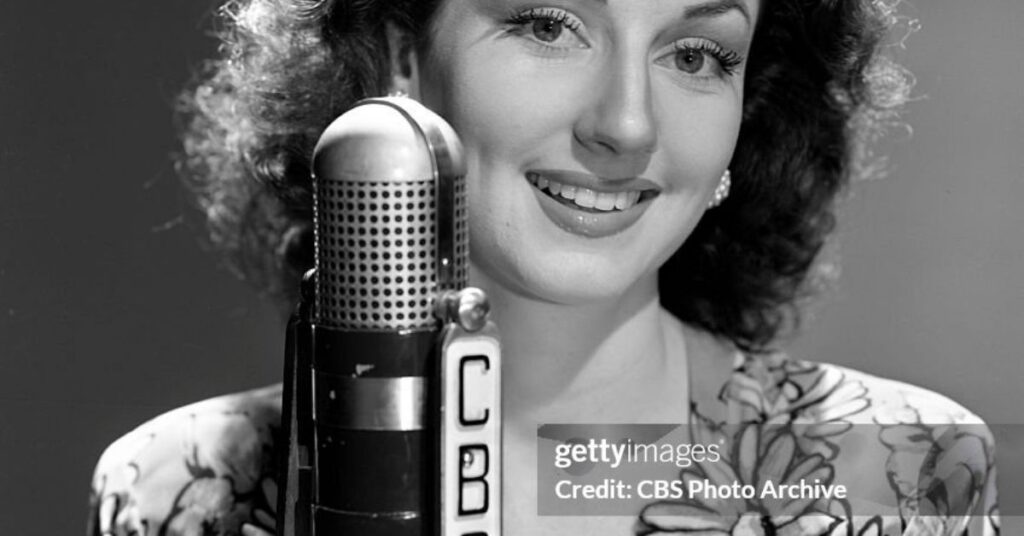
Virginia O’Brien was born Virginia Lee O’Brien on April 18, 1919, in Los Angeles, California, where the rapidly growing film industry surrounded her from an early age. Growing up near the heart of Hollywood exposed her to music, theater, and motion pictures, helping shape the interests that would eventually define her career. As explored throughout Virginia O’Brien: Behind the Spotlight, her upbringing provided the foundation for a remarkable journey in entertainment.
Raised in a supportive family, Virginia displayed a natural love for performing as a child. She enjoyed singing, entertaining relatives, and participating in local events whenever possible. While many aspiring performers dreamed of Hollywood stardom, Virginia stood out because of her willingness to experiment with different performance styles rather than simply following established trends.
During her school years, she became involved in drama and music programs, developing confidence on stage while refining her vocal abilities. Friends and teachers recognized her sense of timing and humor, qualities that later became essential to her success in musical comedy. Although few could have predicted her future signature style, her talent for captivating audiences was already becoming clear.
Before entering films, Virginia gained valuable experience performing in stage productions and nightclub acts. These early appearances allowed her to understand audience reactions and improve her stage presence. She learned that originality often left a stronger impression than imitation—a lesson that would ultimately define her Hollywood career.
Family encouragement also played an important role in her development. Rather than discouraging her artistic ambitions, those closest to her supported her pursuit of acting and singing. Their belief in her abilities gave her the confidence to audition for larger opportunities in California’s competitive entertainment industry.
Looking back, these formative years reveal how determination, practice, and creativity shaped one of Hollywood’s most distinctive performers. Virginia O’Brien: Behind the Spotlight highlights that her later success was not the result of luck alone but of years spent developing her craft before audiences ever saw her on the big screen.
The Birth of a Deadpan Icon
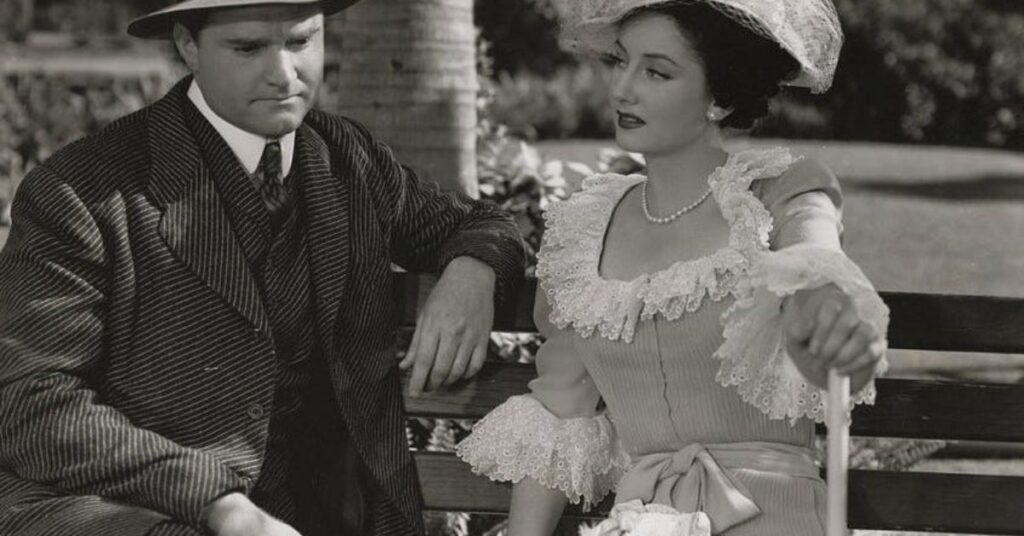
One of the most fascinating chapters in Virginia O’Brien: Behind the Spotlight is the story behind her famous deadpan performance style. Unlike traditional singers who relied on expressive facial movements to connect with audiences, Virginia became known for doing exactly the opposite. She performed with an almost perfectly expressionless face while delivering lively songs filled with wit and humor.
According to accounts from her career, the idea emerged almost by accident during an early performance. While trying to remain completely serious during a humorous song, audiences found the contrast hilarious. The unexpected laughter revealed that her calm, emotionless delivery made the performance even funnier than exaggerated expressions could have.
Recognizing the originality of this approach, studio executives and producers encouraged her to develop it further. Soon, the deadpan persona became her trademark, distinguishing her from every other musical performer of the era. Instead of competing with glamorous singers through dramatic performances, Virginia created an entirely unique identity that audiences instantly recognized.
Her performances required remarkable discipline. Maintaining a perfectly straight face throughout energetic musical numbers demanded intense concentration and precise comedic timing. Even as fellow actors danced, joked, or attempted to make her laugh, she remained composed, making the final performance appear effortless.
This unforgettable style quickly became one of Hollywood’s most recognizable comedic acts. Decades later, classic film fans continue to celebrate her originality, proving that innovation often comes from embracing what makes a performer different. Virginia O’Brien: Behind the Spotlight demonstrates how a simple creative decision evolved into a defining feature of her legacy and secured her place among the most memorable entertainers of Hollywood’s Golden Age.
Breakthrough with MGM
Virginia O’Brien’s career reached an entirely new level when she signed with Metro-Goldwyn-Mayer (MGM), one of Hollywood’s most prestigious film studios during the Golden Age of cinema. This milestone marked the beginning of her rise to national fame and cemented her reputation as a one-of-a-kind entertainer. As Virginia O’Brien: Behind the Spotlight reveals, joining MGM gave her access to larger productions, celebrated directors, and some of the biggest stars in the industry.
Before landing her contract, Virginia had already impressed audiences with her stage performances and unusual comedic style. MGM executives recognized that her deadpan delivery offered something fresh at a time when musical films were becoming increasingly popular. Instead of blending in with other actresses, she stood apart with an act that audiences remembered long after the curtain closed.
The studio carefully incorporated her signature style into musical comedies, allowing her to perform songs while maintaining an expressionless face. This contrast between lively music and her calm appearance became a major attraction for moviegoers. Critics often praised her originality, noting that she could generate laughter without relying on exaggerated gestures or slapstick comedy.
Throughout the 1940s, Virginia appeared in several successful MGM productions that showcased both her singing and acting talents. Her performances proved that she was much more than a novelty act. She possessed excellent vocal ability, strong comedic instincts, and a natural screen presence that complemented the studio’s colorful musical films.
Working at MGM also gave her the opportunity to collaborate with some of Hollywood’s biggest entertainers. Sharing the screen with established stars helped broaden her audience and introduced her unique style to millions of viewers across the United States. These collaborations strengthened her reputation as a dependable performer capable of elevating every production she joined.
Another factor behind her success was her professionalism. Directors and producers frequently appreciated her preparation, reliability, and ability to deliver consistent performances despite the challenges of maintaining her famous deadpan expression. Her commitment earned the respect of colleagues and contributed to her long-standing relationship with the studio.
As explored in Virginia O’Brien: Behind the Spotlight, her breakthrough with MGM represented far more than signing a studio contract—it marked the moment when an unconventional performer became a celebrated Hollywood personality. Her films from this era remain an important part of classic cinema and continue to introduce new generations to her distinctive brand of musical comedy.
Memorable Songs and Movie Moments
No look at Virginia O’Brien: Behind the Spotlight would be complete without revisiting the unforgettable songs and film scenes that defined her career. Whether she was delivering a humorous ballad with a perfectly straight face or appearing alongside Hollywood legends, Virginia consistently created moments that audiences remembered long after leaving the theater.
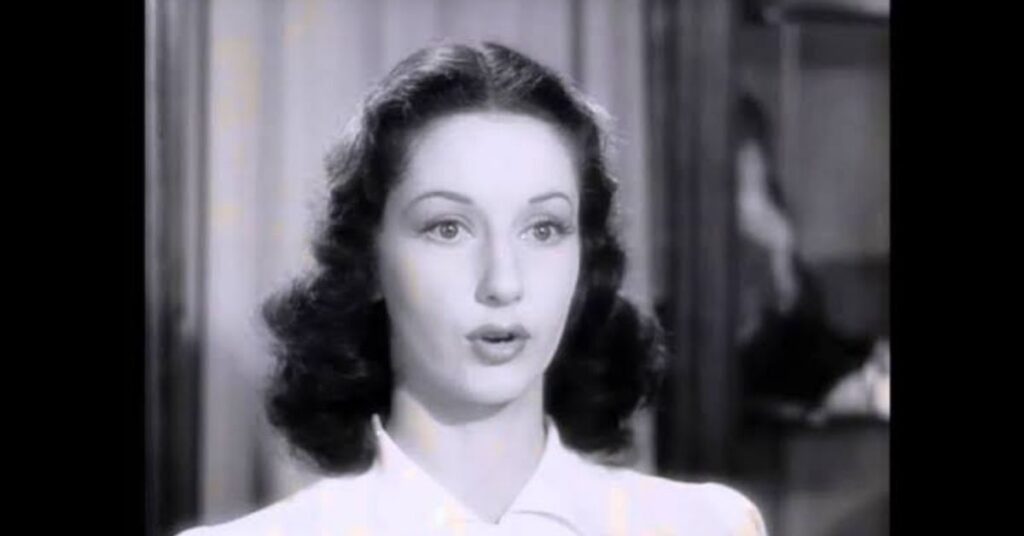
Among her most celebrated performances were musical numbers that combined witty lyrics with her trademark expressionless delivery. Songs such as “Say That We’re Sweethearts Again,” “Salome,” and “I’ve Got a Feelin’ You’re Foolin'” became fan favorites because they highlighted the unique contrast between cheerful melodies and her calm, emotionless performance. Her ability to remain completely composed while singing humorous lyrics became her unmistakable signature.
Virginia also appeared in several successful MGM musicals, including Du Barry Was a Lady (1943), Meet the People (1944), Two Girls and a Sailor (1944), Ziegfeld Follies (1945), and The Harvey Girls (1946). Although many of these films featured large ensemble casts, she consistently managed to leave a lasting impression with relatively brief but unforgettable performances.
One of the reasons her movie moments remain so memorable is their originality. While many musical stars relied on glamorous costumes, elaborate choreography, or dramatic facial expressions, Virginia often stood almost perfectly still, allowing the humor to emerge naturally. This understated style made her scenes surprisingly effective and helped distinguish her from her contemporaries.
Audiences also appreciated the confidence behind her performances. Remaining expressionless while cameras rolled, co-stars performed nearby, and audiences laughed required remarkable self-control. What appeared effortless on screen was actually the result of careful rehearsal and exceptional comedic timing.
Film historians continue to praise Virginia’s contribution to Hollywood musicals because she proved that comedy could be subtle rather than exaggerated. Her influence can still be seen in performers who use dry humor, understated reactions, and deadpan delivery to entertain modern audiences.
Today, classic film enthusiasts regularly revisit her musical numbers through television broadcasts, streaming services, and film archives. These timeless performances ensure that Virginia O’Brien: Behind the Spotlight remains more than just a biography—it is a celebration of an artist whose creativity continues to entertain decades after Hollywood’s Golden Age.
Read More : Sheryl Berkoff: The Inspiring Story Behind Rob Lowe’s Wife
Stage and Cabaret Career
Although Virginia O’Brien became widely recognized for her Hollywood films, her career extended far beyond the silver screen. As highlighted throughout Virginia O’Brien: Behind the Spotlight, she successfully transitioned to live entertainment, proving that her talent wasn’t limited to movie musicals. Her stage and cabaret performances introduced her unique brand of comedy to audiences across the United States and demonstrated her ability to connect with fans in a more intimate setting.
Following the peak of her film career, Virginia embraced live theater, nightclubs, and cabaret venues where audiences could experience her performances firsthand. Unlike film productions that required multiple takes and careful editing, live shows demanded consistency, confidence, and the ability to entertain in real time. Virginia excelled in this environment, captivating audiences with her effortless stage presence and impeccable comedic timing.
Her signature deadpan style remained the centerpiece of every performance. Whether she was singing a humorous ballad or delivering clever dialogue, she maintained the same expressionless face that had made her famous in Hollywood. Audiences eagerly anticipated this trademark act, often laughing before a song even reached its punchline because they knew what was coming. The anticipation itself became part of the entertainment.
Cabaret performances also allowed Virginia greater creative freedom than studio films. She could experiment with song selections, interact more naturally with audiences, and tailor her routines to different venues. This flexibility helped keep her performances fresh while reinforcing the originality that had defined her career from the beginning.
Throughout the 1950s and beyond, she appeared in respected clubs, theaters, and special engagements, attracting both longtime fans and younger audiences curious about one of Hollywood’s most distinctive entertainers. Many attendees admired not only her vocal talent but also the remarkable discipline required to sustain her deadpan persona throughout an entire live performance.
Television appearances further supported her stage career. Variety shows and entertainment programs introduced Virginia to viewers who may not have seen her classic MGM films. These appearances reminded audiences why her performances had become legendary and helped preserve her popularity during a changing entertainment landscape.
As Virginia O’Brien: Behind the Spotlight demonstrates, her stage and cabaret career reflected resilience and adaptability. Rather than fading after Hollywood’s Golden Age, she reinvented herself as a successful live performer, proving that genuine talent can thrive across different forms of entertainment. Her dedication to live performance ensured that her unique style continued to delight audiences long after her busiest years in film.
Personal Life
Beyond the laughter and memorable performances, Virginia O’Brien: Behind the Spotlight reveals a woman who valued family, perseverance, and personal privacy. While she enjoyed public recognition as a Hollywood star, she generally kept much of her private life away from media attention, allowing her work to remain the primary focus of her public image.
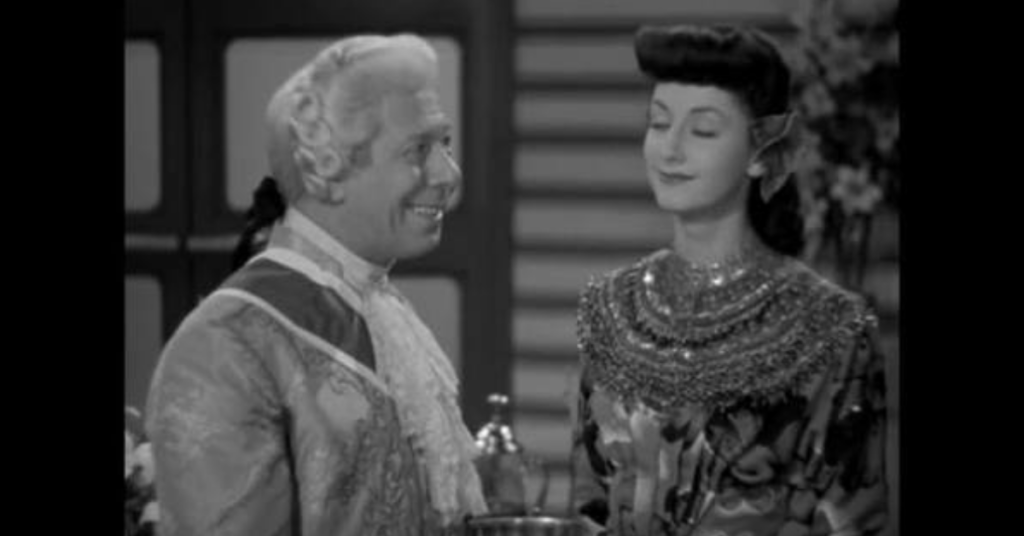
Virginia married actor Kirk Alyn in 1942, a performer best known for becoming the first actor to portray Superman in movie serials. Their marriage attracted interest from Hollywood fans, as both were established figures in the entertainment industry. During their years together, they welcomed four children and balanced the demands of family life with busy acting careers.
Like many Hollywood relationships, however, the marriage eventually faced challenges. After more than a decade together, Virginia and Kirk divorced in 1955. Despite the separation, Virginia remained devoted to her children and continued pursuing her professional career while embracing her responsibilities as a mother.
Friends and colleagues frequently described her as warm, humorous, and approachable—qualities that contrasted with the emotionless character audiences associated with her performances. Offstage, she enjoyed conversation, laughter, and spending time with family and friends. This contrast between her public persona and private personality made her even more fascinating to those who knew her personally.
Virginia also demonstrated remarkable professionalism throughout her career. She earned a reputation for arriving prepared, treating colleagues respectfully, and maintaining a strong work ethic regardless of the size of her role. These qualities contributed to her longevity in the entertainment industry and earned admiration from directors, producers, and fellow performers alike.
As Hollywood evolved, Virginia chose to focus more on selective projects, stage performances, and personal priorities rather than aggressively pursuing every film opportunity. This balanced approach allowed her to remain active in entertainment while enjoying a quieter lifestyle away from the constant pressures of studio life.
Looking back, Virginia O’Brien: Behind the Spotlight shows that her personal journey was defined not only by professional accomplishments but also by resilience, family commitment, and authenticity. While audiences celebrated her unforgettable deadpan performances, those closest to her remembered a kind, dedicated woman whose genuine personality was every bit as memorable as the iconic character she portrayed on screen.
Read More: Discover Kayvan Novak Wife: Biography, Facts & Family
Career Challenges
Like many performers of Hollywood’s Golden Age, Virginia O’Brien experienced periods of remarkable success as well as significant professional challenges. Virginia O’Brien: Behind the Spotlight would not be complete without examining the obstacles she faced while trying to sustain a career in an entertainment industry that was constantly evolving.
One of Virginia’s greatest strengths—her deadpan singing style—also became one of her biggest challenges. Audiences loved her unique performances, but Hollywood studios often struggled to imagine her in roles beyond musical comedy. As a result, she was frequently typecast, limiting the variety of characters she was offered despite her broader acting abilities.
The entertainment industry also changed dramatically after the 1940s. Large-scale musical films, which had dominated American cinema during the war years, gradually declined in popularity. Studios began investing more heavily in dramas, westerns, thrillers, and television programming. This shift reduced opportunities for performers whose careers had been built around musical comedies.
Competition within Hollywood presented another hurdle. MGM was home to numerous talented actors, singers, and dancers, all competing for leading roles. While Virginia’s originality helped her stand out, the abundance of stars meant that securing prominent parts became increasingly difficult as the studio system evolved.
Television’s rapid rise during the 1950s also transformed the entertainment landscape. Movie attendance declined as audiences increasingly enjoyed entertainment from home. Like many film stars of her generation, Virginia adapted by making television appearances and expanding her live stage work rather than relying solely on feature films.
Despite these setbacks, she never abandoned her passion for performing. Instead, she embraced cabaret shows, theater productions, and guest appearances that allowed her to remain connected with audiences. Her willingness to adapt demonstrated resilience and a genuine love for entertaining rather than simply pursuing fame.
Film historians now recognize that Virginia’s influence extended beyond the number of leading roles she received. Her originality, professionalism, and unforgettable performance style left a lasting impression that continues to be appreciated by classic movie enthusiasts.
Ultimately, Virginia O’Brien: Behind the Spotlight illustrates that lasting success is measured not only by awards or box-office numbers but also by the ability to create something truly distinctive. Virginia overcame changing industry trends with grace, ensuring that her work would continue to be celebrated decades after her most famous performances.

Signature Songs
Music played a central role in Virginia O’Brien’s career, and many of her performances remain favorites among classic Hollywood fans. Throughout Virginia O’Brien: Behind the Spotlight, her songs stand as powerful examples of how creativity and originality can transform simple musical numbers into timeless entertainment.
Unlike many singers of her era, Virginia didn’t rely on dramatic facial expressions or emotional gestures to captivate audiences. Instead, she delivered humorous songs with a perfectly straight face, creating a contrast that became instantly recognizable. This deadpan approach made each performance memorable and helped establish one of Hollywood’s most distinctive musical identities.
Among her best-known songs is “Say That We’re Sweethearts Again,” a performance that perfectly showcases her signature style. While the lyrics are playful and romantic, Virginia’s calm, expressionless delivery amplifies the comedy, making the performance unforgettable.
Another fan favorite is “Salome,” one of the songs most closely associated with her career. The clever lyrics, theatrical presentation, and flawless deadpan expression turned it into one of her defining musical moments. Even today, classic film enthusiasts frequently mention this performance when discussing her legacy.
She also delighted audiences with “I’ve Got a Feelin’ You’re Foolin’,” “Broadway Rhythm,” “You’d Be Surprised,” and several other musical numbers featured in MGM productions. Each showcased her remarkable vocal control, comedic precision, and ability to entertain without relying on exaggerated movement or facial reactions.
What made these songs so successful was the balance between musical talent and comedy. Virginia possessed a pleasant singing voice, but it was her innovative presentation that elevated her performances above traditional musical acts. Viewers weren’t simply listening to songs—they were witnessing a carefully crafted comedic performance unlike anything else in Hollywood.
Many of her recordings and film performances continue to be preserved through classic movie collections, streaming platforms, and film archives. New audiences regularly discover her work, proving that genuine originality has enduring appeal.
As Virginia O’Brien: Behind the Spotlight demonstrates, her signature songs are more than nostalgic pieces from Hollywood’s Golden Age. They represent a unique artistic vision that challenged conventional performance styles and secured Virginia O’Brien’s place as one of classic cinema’s most unforgettable musical comedians.
Notable Movies
Throughout her career, Virginia O’Brien appeared in numerous films that showcased her remarkable blend of singing, comedy, and acting. As explored in Virginia O’Brien: Behind the Spotlight, her filmography reflects the golden era of Hollywood musicals and demonstrates why she became one of MGM’s most recognizable performers. Although she often worked alongside major stars, her distinctive deadpan style ensured that audiences remembered her performances long after the credits rolled.
One of her earliest breakthrough films was Du Barry Was a Lady (1943), a colorful musical comedy starring some of Hollywood’s biggest names. Virginia’s performance stood out because she delivered her trademark expressionless singing with perfect comic timing, proving that she could steal scenes even in an ensemble cast.
She followed this success with Meet the People (1944), where her musical talent and understated humor once again earned praise. The film gave her another opportunity to demonstrate that comedy did not always require exaggerated expressions. Instead, her calm delivery created a refreshing contrast that audiences found irresistible.
Another significant entry in her career was Two Girls and a Sailor (1944). This popular MGM musical featured a large ensemble of talented performers, yet Virginia’s memorable musical numbers helped distinguish the film. Her ability to remain perfectly composed while delivering humorous lyrics became one of the movie’s most talked-about highlights.
In Ziegfeld Follies (1945), she joined an impressive collection of entertainers in one of MGM’s most ambitious musical productions. The film celebrated elaborate stage performances, glamorous costumes, and unforgettable musical acts. Virginia’s appearance fit perfectly within this spectacular showcase, adding her unique comedic flair to an already star-studded production.
She also appeared in The Harvey Girls (1946), a musical western that became one of the defining films of its era. Although the movie is remembered for its outstanding cast and Academy Award-winning music, Virginia contributed memorable moments that reflected her distinctive performance style.
Beyond these major productions, she continued appearing in films and television projects throughout later years, adapting to changing audience tastes while preserving the originality that made her famous. Even when her roles became smaller, she consistently demonstrated professionalism and a commitment to entertaining audiences.
Today, classic film historians frequently revisit these productions when discussing Hollywood’s Golden Age. Many of Virginia’s performances remain available through classic movie channels, streaming services, and restored film collections, allowing new generations to appreciate her remarkable talent.
Looking back through Virginia O’Brien: Behind the Spotlight, it becomes clear that her notable movies represent more than entertainment—they document the career of an artist who transformed a simple performance technique into an enduring Hollywood legacy.
Death and Legacy
The final chapter of Virginia O’Brien: Behind the Spotlight is one of remembrance and appreciation for a performer whose originality continues to inspire audiences decades after her passing. While every entertainment career eventually comes to an end, Virginia’s influence has remained remarkably strong among classic film lovers and historians.
Virginia O’Brien passed away on January 16, 2001, in Woodland Hills, Los Angeles, California, at the age of 81. Although her death marked the end of an extraordinary life, it also prompted renewed interest in her remarkable contributions to American entertainment. Fans, fellow performers, and film historians reflected on a career that had brought laughter to millions through a style unlike any other.
What makes her legacy so enduring is the originality she brought to every performance. Rather than following established trends, Virginia embraced a deadpan singing style that transformed ordinary musical numbers into unforgettable comedic moments. Her willingness to be different allowed her to create a lasting identity in one of the most competitive industries in the world.
Classic film festivals, television retrospectives, and streaming platforms continue introducing Virginia’s work to younger audiences. Viewers discovering her performances for the first time are often surprised by how fresh and effective her humor remains. This timeless appeal demonstrates that truly creative entertainment can transcend generations.
Film scholars also recognize her importance in the history of musical comedy. She proved that subtle humor, precise timing, and understated performances could be just as powerful as elaborate comedy routines. Many modern comedians and actors who specialize in dry humor unknowingly follow techniques that Virginia helped popularize decades earlier.
Collectors continue preserving her films, recordings, photographs, and interviews, ensuring that future generations can appreciate her artistic achievements. Her work remains an important part of discussions about Hollywood’s Golden Age and the evolution of musical comedy in American cinema.
Perhaps the greatest measure of her legacy is that audiences still remember her by name. While countless performers have faded from public memory, Virginia O’Brien continues to be celebrated because she offered something genuinely unique. Her performances remain instantly recognizable, and her influence extends far beyond the years in which she actively performed.
As Virginia O’Brien: Behind the Spotlight shows, Virginia O’Brien’s legacy is not defined solely by the films she made but by the originality, professionalism, and joy she brought to audiences. More than two decades after her passing, she remains one of Hollywood’s most distinctive entertainers, proving that authenticity and creativity leave a lasting impression that time cannot erase.
Summary
Virginia O’Brien: Behind the Spotlight celebrates the remarkable life and career of one of Hollywood’s most original entertainers. From her early years in Los Angeles to becoming MGM’s unforgettable deadpan singing star, Virginia O’Brien carved out a unique place in film history through talent, creativity, and unwavering professionalism. Her memorable movies, signature songs, stage performances, and collaborations with legendary actors showcased an artistic style that remains instantly recognizable even today.
Although the entertainment industry evolved and presented new challenges, Virginia adapted with grace, continuing to perform on stage and delight audiences with the same charm that made her famous. Her influence can still be seen in modern comedians and performers who embrace subtle humor and impeccable timing.
For classic film enthusiasts and new audiences alike, Virginia O’Brien: Behind the Spotlight offers more than a biography—it tells the inspiring story of a woman who turned originality into a lasting legacy. Decades after her passing, Virginia O’Brien remains a beloved icon of Hollywood’s Golden Age, proving that true talent and authenticity never go out of style
